



Between May 2020 and March 2021, during the peak of the pandemic, demand for video conferencing tools exploded. Businesses, healthcare providers, and individuals were all forced online—fast.
But this surge created a new challenge: the market became crowded, commoditized, and dominated by a few well-known platforms.
Tauria, a secure video conferencing solution, had a strong product but low visibility.
Despite increased market demand, early campaigns underperformed. The core issue wasn’t targeting or budget. It was messaging. Our ads used to focus on the system's features.

While accurate, these messages failed to resonate. Why?
Because they:
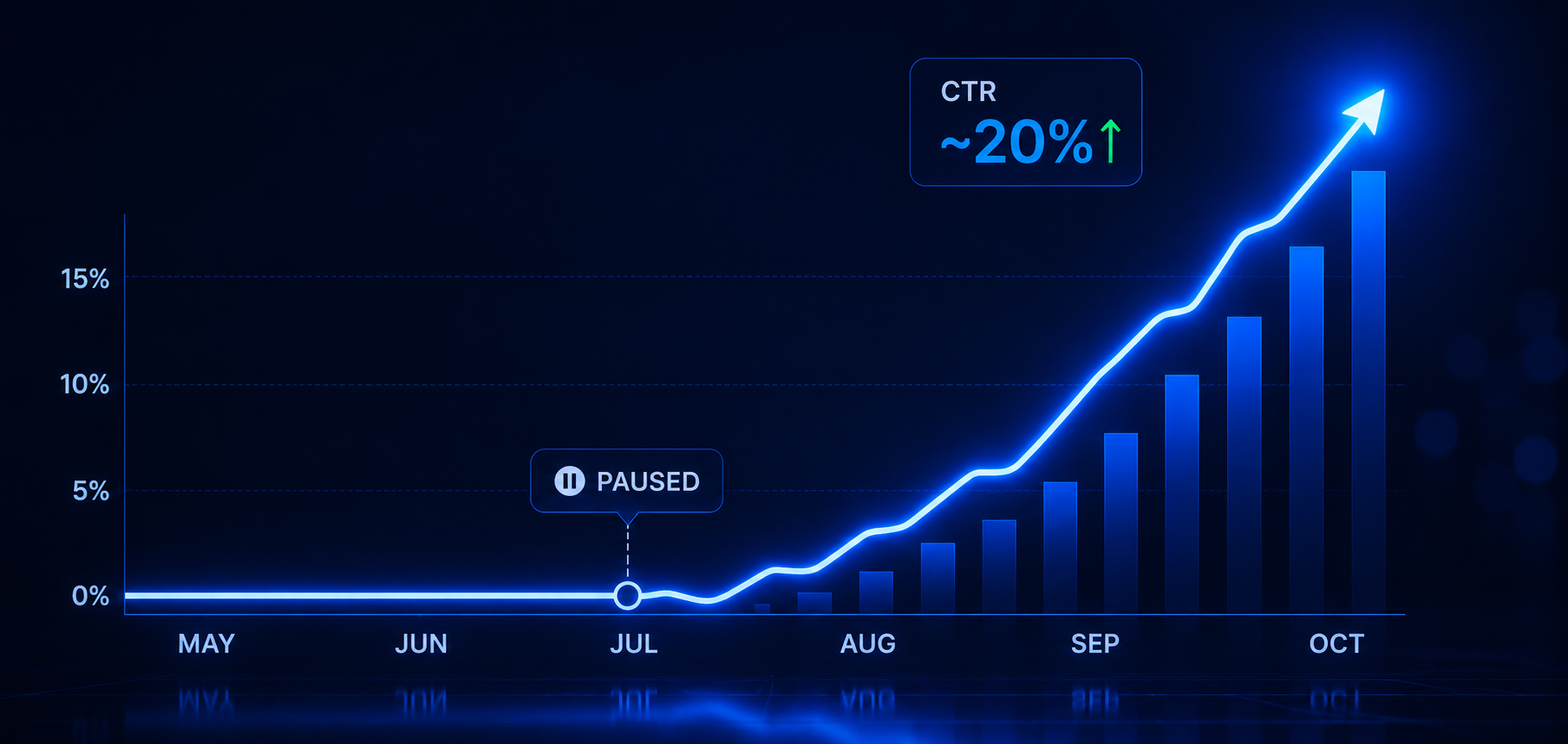
In a market full of “secure” tools, saying you’re secure isn’t differentiation. CTR remained low, and engagement was limited.
In July, campaigns were fully paused. This wasn’t a tactical adjustment. It was a strategic reset.
The key question became:
Why would anyone stop scrolling for this?
That led to a critical realization that feature-based messaging doesn’t create attention—it gets ignored.
The new messaging went live in August across Twitter (now X) campaigns.
I led:
Key elements included:
The goal wasn’t to explain. It was to interrupt the scroll.
A new direction was defined:
From:
Product-led messaging
To:
Problem-led, high-contrast positioning
Instead of explaining Tauria, the campaigns would:
This wasn’t a creative refresh. It was a strategic repositioning of the product.
The campaigns stopped selling features—and started exposing risk.
The new campaigns were built around three pillars:
1. Direct Competitive Positioning
Instead of avoiding competitors, the messaging leaned into them:
This created:

2. Risk-Driven Messaging
The narrative shifted from benefits → consequences.
Instead of:
“We are secure”
The message became:
“Your current tool might not be.”
This introduced:
3. High-Stakes Use Cases
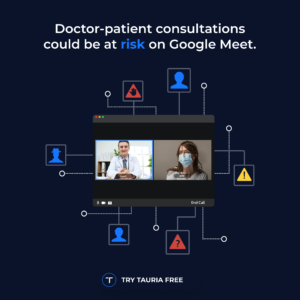
Security was framed as critical by highlighting sensitive scenarios based on industries where privacy is mandatory:
Tauria was no longer positioned as a feature-rich tool. It became a necessary layer of protection.
The impact was immediate and sustained.